

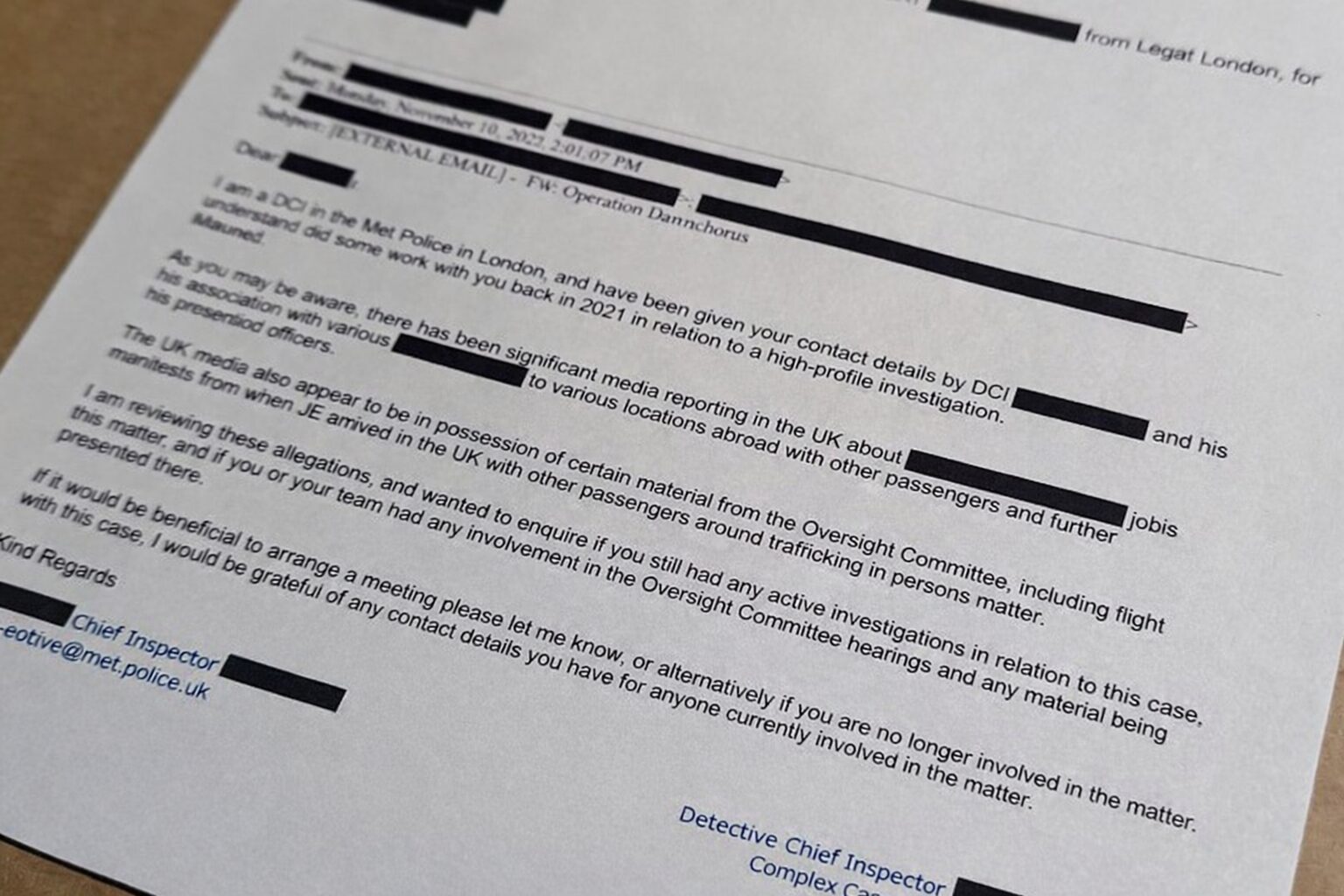
What are defensible redaction strategies in litigation?
Defensible redaction strategies are structured processes used to identify, remove, and protect sensitive information in legal documents while ensuring accuracy, consistency, and compliance with discovery requirements.
Effective redaction strategies help ensure that sensitive information is protected in high stakes litigation. Courts, regulators, and opposing parties expect redactions to be accurate, consistent, and defensible. Any mistake, whether over redaction or inadvertent disclosure, can create risk for clients and undermine the credibility of the review process. A structured approach helps legal teams safeguard privileged or confidential material while supporting timely production requirements.
Why are redaction strategies critical in high stakes litigation?
Redaction is more complex than simply removing visible text. Reviewers must understand context, anticipate how information may be interpreted when surrounding content is removed, and confirm that all sensitive data is fully obscured across multiple formats. Clear workflows and quality controls ensure that redactions withstand close examination during discovery. Industry frameworks, such as the Sedona Conference’s principles on eDiscovery and information governance, emphasize the importance of defensible processes with consistent documentation, clear workflows, and strong confidentiality standards.
Building on these principles, effective redaction practices can be strengthened through several key steps that promote consistency, accuracy, and accountability throughout the review process.
What are the key steps in a defensible redaction strategy?
1. How should teams define redaction categories before review begins?
Teams benefit from establishing defined categories of information that require redaction. This often includes privileged communication, personally identifiable information, financial data, trade secrets, and internal business strategies. Setting clear categories helps reviewers maintain consistency across large document sets.
A detailed redaction guide should outline:
- What information qualifies for each category
- Examples of common patterns, such as recurring names, account numbers, or sensitive terms
- Situations where context requires escalation, such as mixed privilege content or unusual data formats
Clear criteria prevent inconsistent interpretations and reduce the need for rework late in the process.
2. Where can sensitive data appear across different document formats?
High stakes matters often involve multiple file types, including emails, spreadsheets, PDFs, presentations, and images. Each format carries its own challenges. For example, spreadsheets may contain hidden tabs or formulas, while PDFs may retain metadata or layered content. Reviewers must examine all areas of a document, not just visible text.
Effective redaction strategies also require attention to recurring fields that may appear in headers, footers, comments, or embedded objects. Comprehensive examination helps ensure that sensitive information is not overlooked during production.
3. How do structured workflows improve redaction consistency?
A strong workflow organizes the redaction process and ensures consistent handling of sensitive information. Core elements typically include:
- Standardized coding and labeling conventions
- Tiered review for complex or high risk documents
- Clear routing instructions for privilege or confidentiality review
- Templates or tools that help reviewers apply consistent redaction placement
Structured workflows reduce the risk of variations between reviewers and support more efficient throughput.
4. Why is quality control essential in redaction workflows?
Quality control is central to any defensible redaction process. Regular review cycles help identify errors, validate coding, and ensure accuracy across document sets. QC steps may include:
- Sampling a percentage of redacted documents for secondary review – ideally based on context-driven searches that help identify those documents most likely to have complex redactions
- Verifying that redactions fully obscure underlying text
- Checking for incomplete redactions in non-standard file types
- Confirming that redaction labels are applied consistently
Quality control supports the integrity of the production and reduces the risk of challenges during litigation.
5. Why should redaction decisions be documented?
Documentation is an important component of defensible redaction strategies. Maintaining records of decision criteria, workflow updates, and guidance ensures transparency and supports defensibility. Even keeping this information as a simple shared matrix can greatly reduce the time needed to understand how, when, and by whom key decisions on redaction practices were made. And this transparency helps address questions from courts or opposing counsel and provides a reference for future matters that involve similar issues.
How do redaction strategies support defensible outcomes in litigation?
Redaction strategies that rely on clear guidance, structured workflows, and strong quality control help legal teams protect sensitive information while meeting production deadlines. A thoughtful approach reduces risk and supports defensible results in high stakes matters.
Contact Baer Reed to learn how our privilege review services assist teams in applying consistent, defensible redaction strategies during complex litigation.
Frequently Asked Questions (FAQs)
What is redaction in legal documents?
Redaction is the process of permanently removing or obscuring sensitive information from documents before production in litigation or regulatory matters.
What makes a redaction process defensible?
A defensible redaction process includes clear criteria, consistent application, documented workflows, and quality control measures that can withstand scrutiny from courts or opposing counsel.
What types of information are typically redacted?
Common categories include privileged communications, personally identifiable information, financial data, trade secrets, and confidential business information.
Why is redaction more complex than removing text?
Redaction requires understanding context, ensuring no underlying data remains accessible, and accounting for metadata, hidden content, and multiple file formats.
How do legal teams ensure redaction accuracy?
Teams use structured workflows, multi-level review processes, and quality control checks to validate that all sensitive information is fully and consistently redacted.